


CMO Corner
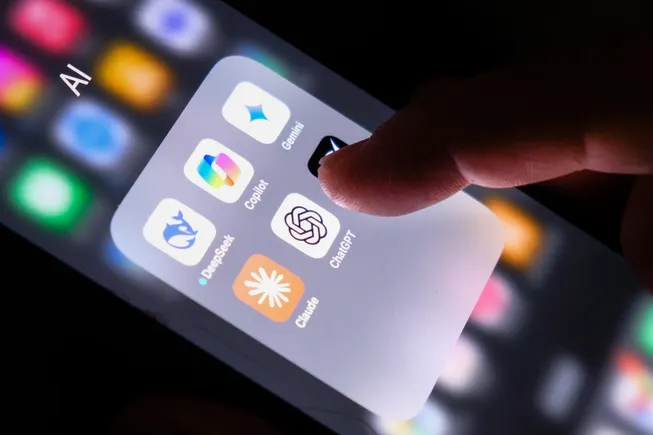
AI is reshaping brand discovery paths, and CMOs face a battle for narrative control. Based on industry research, this article proposes a five-step action framework for shifting from media relations to machine relations, covering visibility audits, authoritative content feeding, community influence, third-party profile optimization, and instant answer strategies, while emphasizing measuring model share rather than just share of voice.
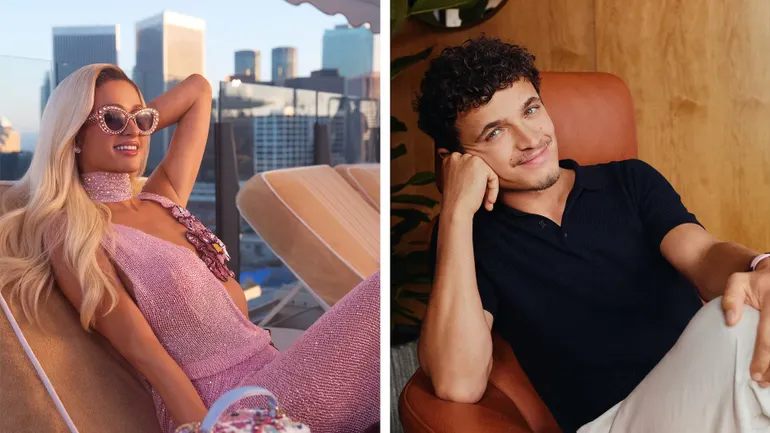
Amid the summer travel boom, Hilton strengthens brand loyalty through initiatives such as distributing 1 billion points. Its Global Chief Marketing Officer, Mark Weinstein, points out that loyalty is an emotional connection rather than a transactional outcome, and explores how brands can achieve growth through trust and relinquishing control in the context of the creator economy and AI technology reshaping the marketing landscape.

Traditional festival marketing rewarded the best planners, but today's shopping season is longer, more nonlinear, and more dynamic. AI assistants change purchase decisions, and consumer behavior fluctuates frequently. Successful brands will treat festival campaigns as living systems, continuously monitoring and adjusting creative and budgets, winning on relevance rather than reach.
Kate Spade announced Allison Badea as Chief Marketing Officer, bringing years of experience from L'Oréal Group. Parent company Tapestry is driving the 'Reignite the Magic' strategy, but Kate Spade's quarterly sales fell 10%, contrasting with Coach's strong growth.
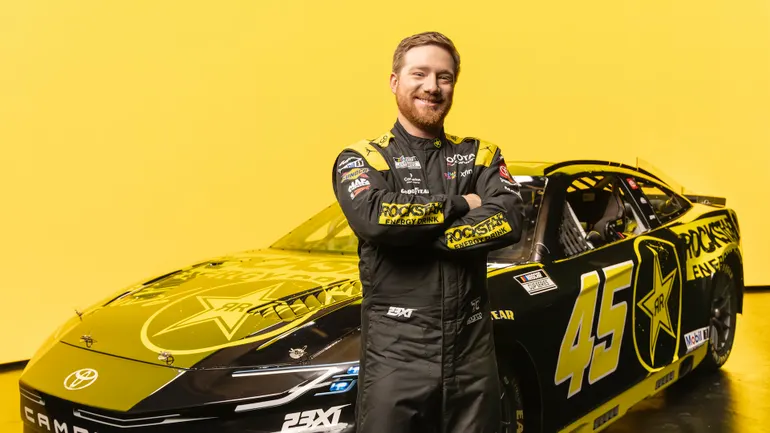
After Celsius Holdings acquired Rockstar Energy from PepsiCo in 2025, it is fully driving the brand's revival. Chief Marketing Officer Rishi Daing points out that Rockstar possesses brand value far exceeding its market share. By reshaping the 'Live Loud' brand image, deepening engagement in music subcultures, and sports sponsorships like NASCAR, the brand aims to attract a new generation of consumers and strengthen its presence in the Eastern and Southern U.S. markets.

As the United States approaches its 250th anniversary, Brand Keys has released its 25th annual survey of the 'Most Patriotic Brands.' The study, covering 1,200 brands across 120 categories, found that consumers' definition of patriotic brands has shifted from 'Made in America' to brand values and cultural roles. Traditional heritage brands like Jeep and Ford hold the largest share (18%), lifestyle brands such as Coca-Cola and Disney account for 13%, and everyday brands like Walmart and Amazon make up 12%. Notably, innovative brands such as Apple, Microsoft, and ChatGPT have entered the list for the first time under the concept of 'innovation as patriotism,' indicating that patriotic perception is evolving from product attributes to brand positioning strategy.

Ulta Beauty had a strong start to the fiscal year, with net sales up 11.1% year-over-year to $3.2 billion. CMO Kelly Mahoney recently spoke with Marketing Dive about how the brand leverages the 'Supergirl' partnership, the Ulta Beauty Collective creator program, retail media network UB Media, and TikTok Shop to achieve synergy between brand building and commercial growth.

Marketing faces internal marketing issues: short CMO tenure, insufficient budgets, ambiguous roles, and damaged reputation. This article analyzes the causes and proposes countermeasures, including aligning with the CEO, collaborating with finance, demonstrating business impact, early cross-departmental collaboration, and participating in strategy formulation, to elevate marketing's position within the organization.
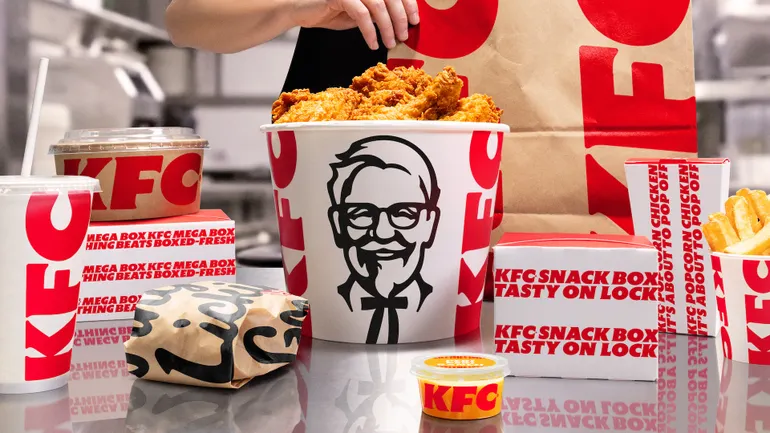
KFC plans to launch a global brand refresh over the coming months, involving menu innovation, restaurant design, and visual updates. Amid increasingly fierce competition in the fried chicken category, the brand hopes to re-establish its advantage in the U.S. and international markets. Global Chief Marketing Officer Valerie Kubizniak stated that KFC's goal is to set the standard for modern fried chicken fast food.

The marketing industry brings together the most creative talent, yet organizations can still fail due to systemic design flaws. The 2026 CMO Survey by Deloitte and Duke University shows that more than one-fifth of marketing leaders believe the biggest capability gap is a shortage of people, time, and budget, rather than a lack of skills. As AI changes the way consumers encounter brands, the linear funnel becomes obsolete, and organizational silos become obstacles to integration. This article argues that brands need to achieve cross-functional collaboration through organizational structure design to produce consistent brand signals, thereby winning trust and growth in an AI-driven environment.