

Ad Tech
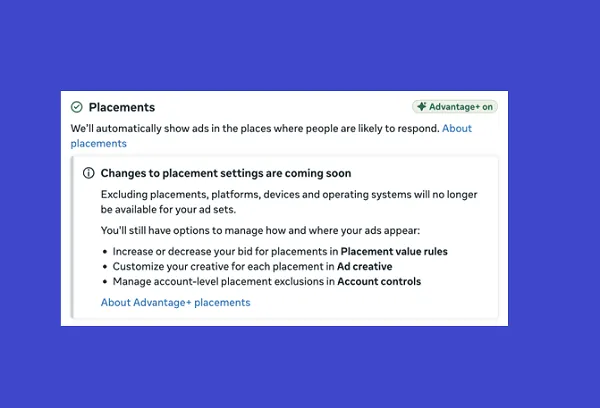
Meta is gradually eliminating advertiser control over ad placements and platforms to advance its vision of fully automated AI advertising. Industry expert Jon Loomer shared screenshots of the relevant notification, but no specific timeline was disclosed.
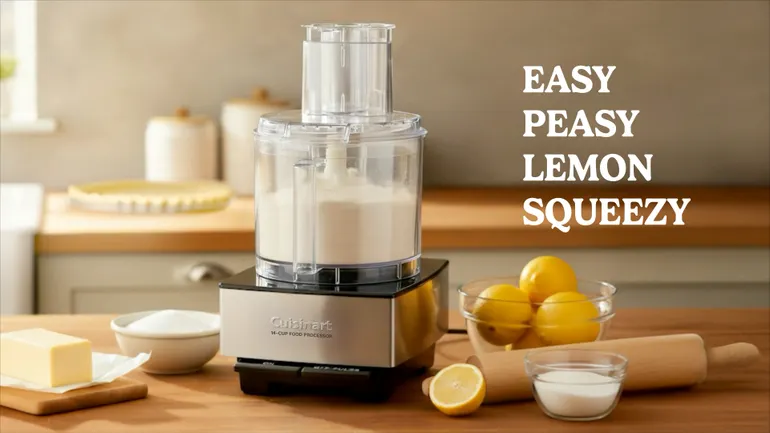
Cornell Company's Cuisinart brand used Amazon's AI tool Creative Agent to generate video ads for food processors. Test results showed increased engagement, reduced costs, and significantly shortened production timelines. The company plans to expand the use of this technology but emphasizes that human input remains indispensable.

A survey covering 750 consumers and 150 business media leaders shows that agentic AI has already entered the business media sector in practice, but consumer acceptance is high for AI-assisted research (75% in the US) and low for fully autonomous transactions (only 20%). Industry leaders generally favor an "AI-assisted plus human approval" model, with only 3% supporting high automation. The competitive advantage of business media is shifting from visible ad space to "selectability" within AI systems, with 84% of leaders planning to invest in visibility within AI-generated content, and measurement and attribution becoming investment bottlenecks.
Walmart Connect announced the expansion of its off-site retail media strategy, partnering with Yahoo DSP and Magnite to allow advertisers to activate their first-party data outside of Walmart DSP for the first time, with an initial focus on CTV inventory. This move marks another significant development following the end of its four-year exclusive partnership with The Trade Desk.
At the Marketing Live summit, Google unveiled a series of AI advertising and commerce products, including Ask Advisor, conversational discovery, highlighted answers, AI shopping ads, and commerce agents, designed to adapt to shifts in search behavior caused by generative AI and to strengthen the link between AI agents and transactions. These tools, built on the Gemini model, help advertisers create, manage, and optimize campaigns more efficiently while responding to competitive pressure from OpenAI, Anthropic, and others.

Nine national television distributors (including Paramount, NBCUniversal, and Warner Bros. Discovery) have partnered with OpenAP to launch an industry initiative aimed at connecting first-party data outcomes with advertising campaign exposure data in a standardized way to address fragmentation in cross-distributor outcome analysis. The pilot phase will collaborate with specific advertisers, agencies, and attribution service providers, with results to be shared over the next year. OpenAP will also introduce a unified conversion API and new advertising campaign workflows, with future phases supporting agency-style workflow interactions.
Publicis Groupe announced the all-cash acquisition of LiveRamp for an enterprise value of $2.2 billion. LiveRamp provides brands with services to connect, manage, and activate data across sources, covering over 25,000 publisher sites and 14 global markets. The transaction is expected to close by the end of the year, and LiveRamp CEO Scott Howe will continue to lead the company, reporting directly to Publicis CEO Arthur Sadoun. Publicis expects to raise its net revenue growth forecast for 2027-2028 from 6%-7% to 7%-8% after the deal closes.
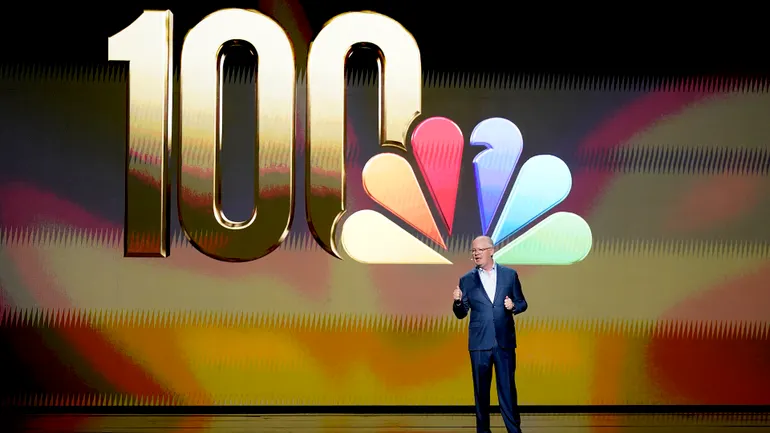
NBCUniversal held its annual upfront presentation at Radio City Music Hall in New York, centering on a century-long legacy while unveiling new Live Total Impact data, the full rollout plan for Performance Insights Hub, and an agentic AI strategy aimed at helping advertisers optimize buying and measurement across linear and streaming portfolios.