


Agencies
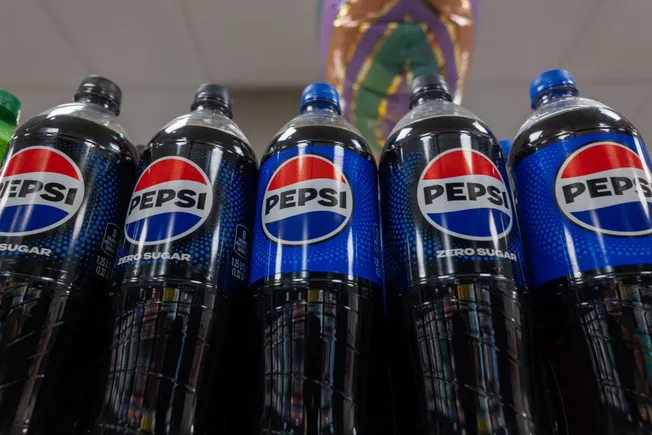
PepsiCo has confirmed the transfer of its global media duties to Publicis Groupe, replacing Omnicom. Publicis will withdraw from Coca-Cola's global media review, a process it had been pursuing. The decision comes as PepsiCo revamps its portfolio with acquisitions like Poppi and Siete and emphasizes AI and data-driven marketing.

Gartner research shows that by 2028, over 70% of global and over 80% of US advertising spending will flow through autonomous platforms deeply influenced by AI. Analyst Eric Schmitt warns that marketers should be cautious in delegating authority to AI, avoid platform algorithms favoring their own interests, and simultaneously limit variables and introduce multi-party evaluations to balance risks and rewards.
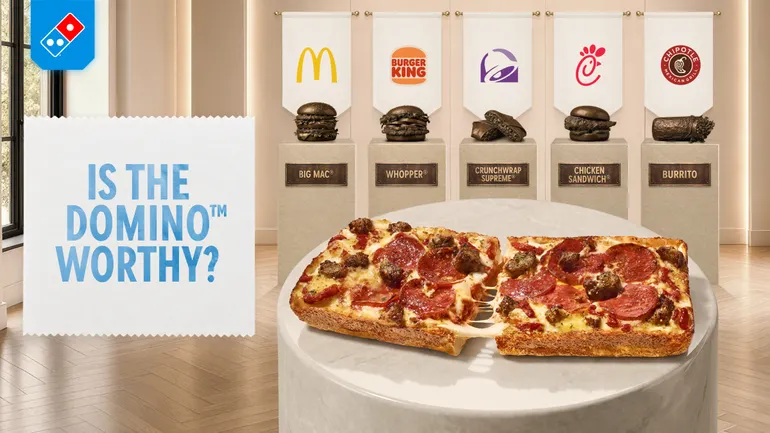
Domino's launched its 'Pizza Can't. The Domino Can' marketing campaign on Monday, supporting its new product Domino—a rectangular Detroit-style personal pizza. The brand aims to meet personalized needs through this product and expand into new dining occasions and scenarios. Meanwhile, Domino's initiated the 'Is the Domino Worthy?' promotion, where customers who upload receipts from specified fast-food chains can receive a free Domino redemption code, with the brand planning to give away $1 million worth of the new product.

In this article, author Nita Song points out that AI puts small boutique agencies and large holding companies on an equal footing, weakening the advantage of scale. The real difference lies in cultural understanding and community proximity, which are the traditional strengths of multicultural agencies. AI also solves the long-standing challenge of quantitative proof in this field, making their value easier to see.

As the industry is rapidly reshaped by AI, executives commonly face cognitive anxiety and career insecurity. This article points out that what truly hinders project progress is often not strategic issues, but the silent resistance of a certain person in the process. The author argues that rather than performing certainty, it is better to honestly say "I don't know" and build solutions collaboratively with clients on that basis—this honesty is replacing traditional authority and becoming the core capability for winning trust.
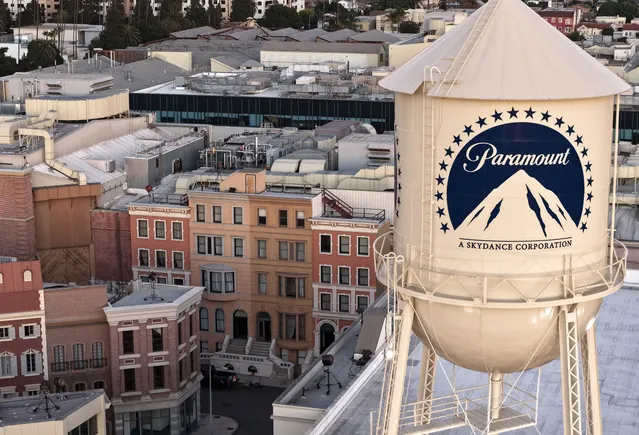
The proposed $110 billion Paramount-Warner Bros. Discovery merger is emblematic of ongoing media consolidation, but its outcome remains uncertain due to litigation. Advertisers must plan based on current facts, prepare for multiple scenarios, evaluate implications client-by-client, anticipate competitive shifts, and embrace strategic partnerships.

Media fragmentation and the proliferation of AI are driving an upgrade in marketing creative models. Omnicom Media Group's research division proposes the 'Connected Content' paradigm, advocating for content production driven by four-dimensional signals: consumer, commercial, cultural, and category. Data shows that 80% of consumers believe poor-quality ads are worse than no ads at all, while 84% connect with ads that align with their personal experiences. This article analyzes how this paradigm replaces the traditional 'hero ad plus fragmented distribution' model, shifting toward an agentic system of continuous learning and dynamic adaptation.

M+C Saatchi North America announced the establishment of a dedicated entertainment marketing business, hiring former WME executive Jen Bacchus as its head. This move follows the trend of rebounding demand for brand content and entertainment partnerships, and builds on the company's recent integration of its North American operating model.
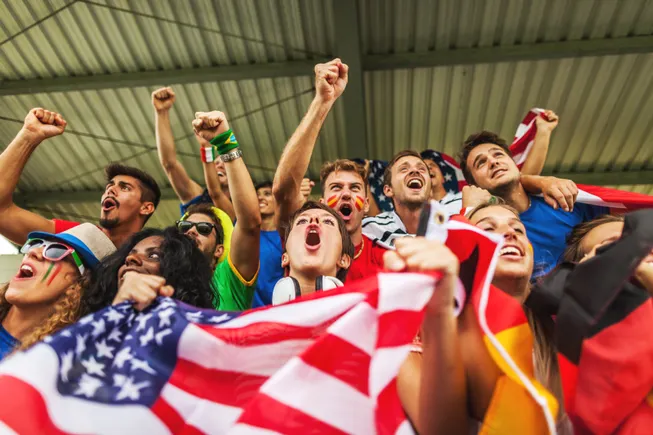
As media fragments, marketing focus shifts from customer bases and communities to fandoms. Havas acquires Archrival to enhance fandom capabilities, with experts noting that fandom emphasizes deep engagement and content co-creation, requiring brands to address criticism and maintain authenticity.