


Latest news
Warner Bros. Discovery announced a deepened collaboration with Amazon Web Services (AWS) to rebuild its advertising technology stack around agentic AI. The initiative aims to integrate linear TV and digital ad buying processes into a unified AI platform, automating media planning, dynamic forecasting, real-time optimization, and closed-loop measurement. The company plans to launch a unified media planning tool in Q3 2025, with AI-driven order management and pricing features rolling out gradually.
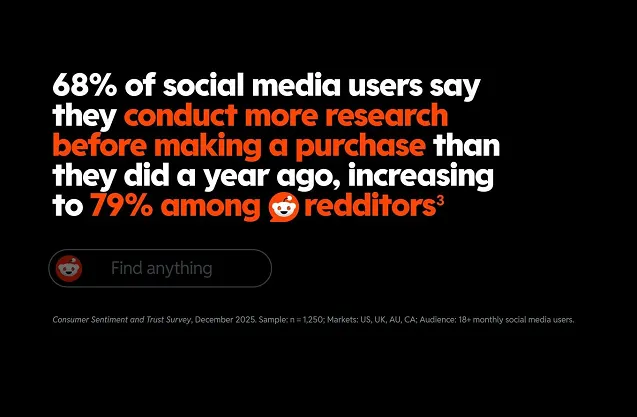
Reddit, in collaboration with WPP, released its latest research based on survey data from more than 13,000 users, providing an in-depth analysis of how potential buyers use Reddit community information to guide their purchase decisions. The study found that 77% of users visit multiple communities to validate purchase decisions, and 63% of users believe that decisions made based on Reddit community interactions are more reliable. This research offers important implications for brand marketing: on Reddit, users seek authentic conversations and information validation rather than passively receiving advertisements.
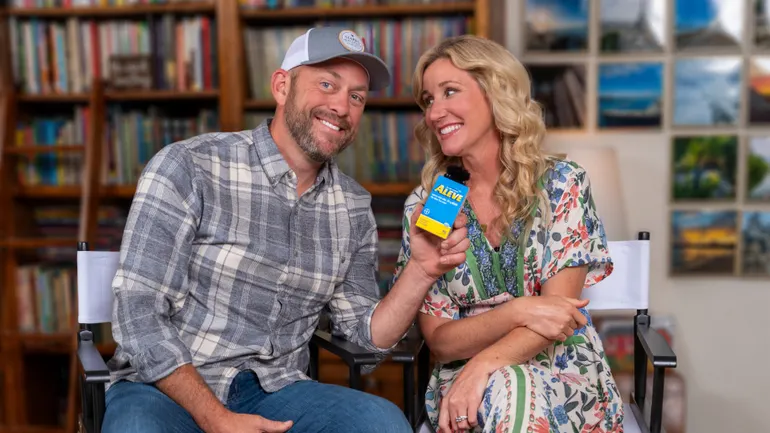
Bayer's pain relief brand Aleve launched the integrated "Project DIY" marketing campaign in May, partnering with HGTV's "Fixer to Fabulous" hosts Jenny and Dave Marrs, along with multiple DIY creators, to reach home improvement enthusiasts through digital, social, and Walmart retail channels. The campaign is based on the insight that "more than one in four pain reliever purchasers consider home improvement a hobby," aiming to position pain relief products as necessities as important as tools in high-intensity home improvement projects.
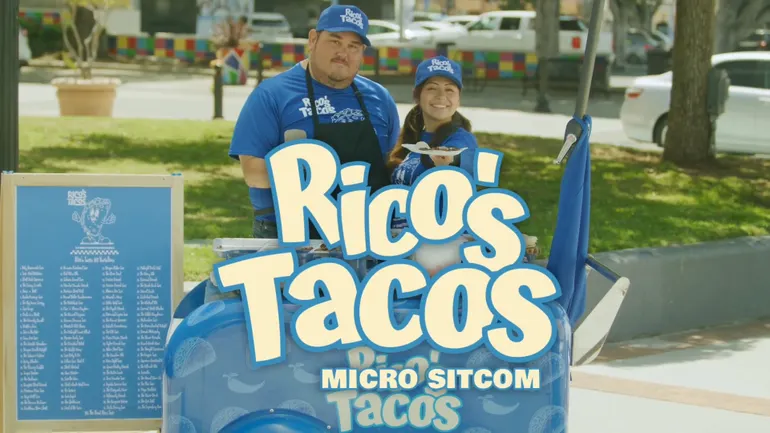
Procter & Gamble, together with Albertsons Media Collective, has launched the micro-series 'Rico's Tacos,' using shopper insights to guide creativity and distributing it through Albertsons' media network. This collaboration is the first case of Albertsons Media Collective's newly introduced brand entertainment model, aimed at applying retail media data to brand storytelling and audience resonance.

Hinge CMO Tamika Young explains how the company supports offline social groups through the One More Hour program, with cumulative grants exceeding $2 million and plans to add $1.5 million globally in 2026. She emphasizes that community engagement should not be viewed as a marketing channel but as part of the brand's mission. Additionally, Hinge launches a new advertising campaign, "Can't Believe We Met on Hinge," focusing on authentic dating experiences for Gen Z.
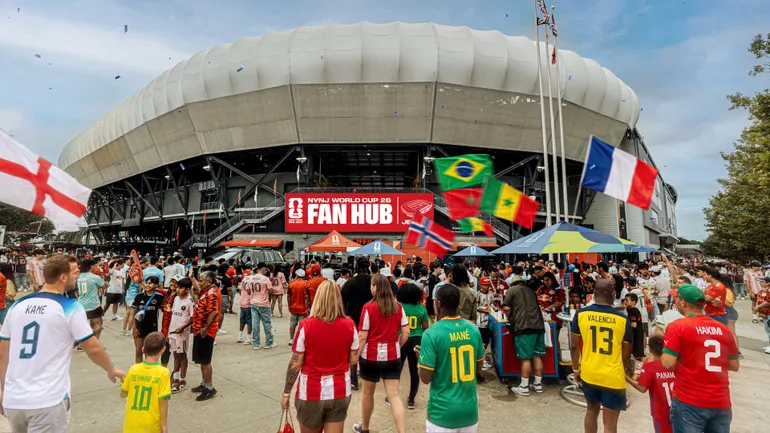
As the World Cup reaches the knockout stage, Major League Soccer (MLS) and the National Women's Soccer League (NWSL) are leveraging this global event through integrated marketing strategies to attract new and existing fans, preparing for the summer season and beyond.

Coach announced the launch of a permanent brand storytelling platform called "&Coach," designed to break through traditional luxury brand marketing frameworks, centering on authentic, personal moments, and partnering with celebrities such as Charli XCX, Malala Yousafzai, Angel Reese, and Gen Z creators to shape the brand's image. The platform has opened dedicated Instagram and TikTok accounts and plans long-term expansion.
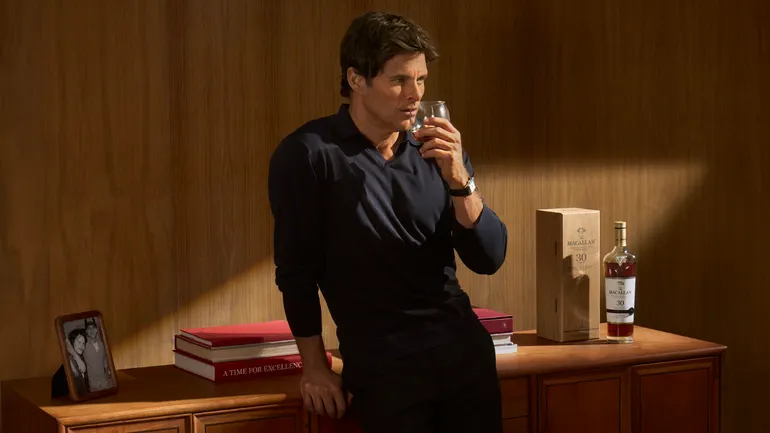
Macallan launched its 'Drink of a Generation' campaign on June 10, focusing on Gen Z's enthusiasm for special-occasion consumption, featuring Sherry Oak 25 and 30-year-old whiskies. The campaign centers on cross-generational heritage, with James Marsden starring in the main video and creators like Stella Simona participating. The brand cites data indicating that Gen Z will account for 30% of luxury market spending by 2030, and while overall U.S. spirits sales have declined, the ultra-premium category has remained relatively stable.

As AI and automation become increasingly central to marketing, the issue of data accuracy can no longer be ignored. This article points out that the era of competing on scale is over; the true competitive advantage lies in data accuracy, validation, and usability, and proposes a new direction for the industry toward data trustworthiness.

A survey covering 750 consumers and 150 business media leaders shows that agentic AI has already entered the business media sector in practice, but consumer acceptance is high for AI-assisted research (75% in the US) and low for fully autonomous transactions (only 20%). Industry leaders generally favor an "AI-assisted plus human approval" model, with only 3% supporting high automation. The competitive advantage of business media is shifting from visible ad space to "selectability" within AI systems, with 84% of leaders planning to invest in visibility within AI-generated content, and measurement and attribution becoming investment bottlenecks.