


Latest news
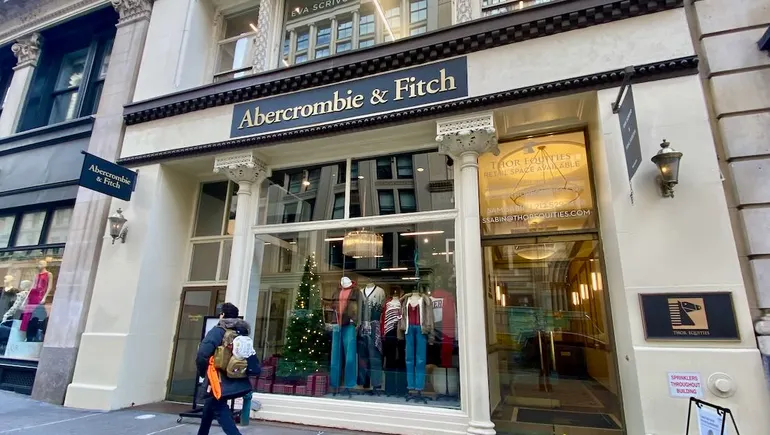
Retailers such as American Eagle, Walmart, and H&M are exploring subscription-based platforms like Substack in 2026 to strengthen brand narratives through long-form content, responding to AI search transformations and the fragmentation of the creator economy.

As artificial intelligence becomes fully integrated into the advertising industry, marketers in 2026 face a new landscape. AI is transforming how ad campaigns are created, delivered, and measured, promising to achieve long-standing goals such as personalization at scale and closed-loop measurement. However, AI solutions launched by players from Meta and Google to WPP and Omnicom, while promising cost reduction and efficiency gains, often come at the expense of transparency. Brands must separate reality from hype in emerging areas like agentic AI, while navigating challenges such as identity resolution and data collaboration. Experts advise that savvy marketers should distinguish between what is immutable and what can be changed, and leverage agencies and data platforms to prepare for the AI era.


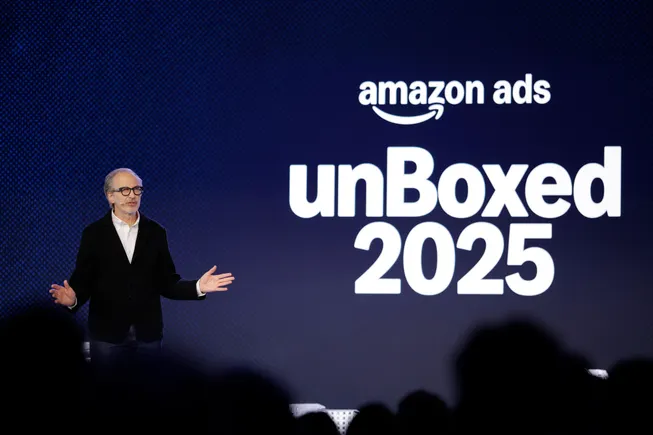
Amazon's advertising business accelerated growth in 2025, with Q3 revenue up 24% year-over-year to nearly $18 billion. At the UnBoxed conference, the company introduced full-funnel advertising campaigns and an integrated AI advertising center, while strengthening its streaming TV advertising capabilities. Despite the clear trend toward tool automation, experts point out that agencies' competitive advantage will shift toward strategy and creativity.
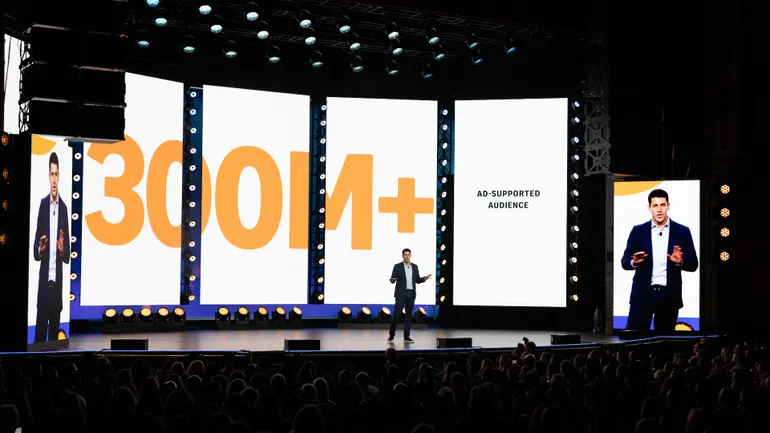
Amazon has strengthened its DSP platform through a series of partnerships, with advertising revenue growing 24% year-over-year to $17.7 billion. These collaborations combine premium inventory with Amazon's consumer data, providing full-funnel closed-loop measurement, posing a threat to Google and The Trade Desk. Industry experts believe Amazon comes closest to eliminating the trade-off between brand building and performance marketing.

At Advertising Week in New York, marketers admitted that the industry is 'paralyzed' in inclusive marketing. Over the past five years, DEI commitments have experienced a rollercoaster from highs to retreats, with the Trump administration's anti-DEI movement intensifying brand pullbacks. However, diverse audiences represent $6.8 trillion in purchasing power, and 75% of consumers say inclusivity influences their purchasing decisions. Experts suggest that brands should start with data, maintain consistency, and deeply understand the complexity of identity to win consumer loyalty during the critical Q4 period.

Advertising Week New York hosted its first gaming summit, where marketers discussed the opportunities and challenges of in-game advertising. From avoiding the term "gamer" to the new frontier of CTV, these six insights help brands grasp the pulse of game marketing.

Social media marketing has entered a new phase, with traditional CPG brands redirecting more budgets and resources toward a social-first approach. Unilever has announced plans to allocate half of its advertising budget to social media and expand influencer partnerships by 20 times, while PepsiCo has spent nearly $2 billion to acquire Poppi. However, this transformation is not just about budget reallocation—it also involves profound changes in organizational culture, creative processes, and risk tolerance.