


Latest news
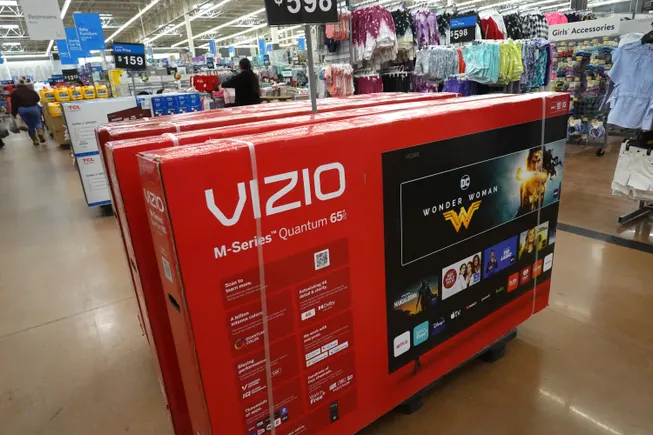
Retail media, once the fastest-growing channel in digital advertising, is now undergoing a strategic expansion from on-site to off-site (CTV, social, and open web programmatic). Although off-site ad spending is projected to reach $20 billion in 2024, declining profit margins, supply constraints, programmatic transparency issues, and retailers' digital capability gaps are casting a shadow over the industry's outlook.
After more than four years of commitments and delays, Google suddenly announced it will no longer deprecate third-party cookies in Chrome, instead exploring "new paths." This decision offers a reprieve for marketers reliant on cookies but may disrupt the emerging alternative ID space. Although regulatory and consumer reactions remain unclear, the continued growth of cookie-less environments such as CTV and mobile may render this decision of limited significance. Industry experts point out that the long-term direction of privacy protection and user consent remains unchanged, and the challenge of signal loss persists.

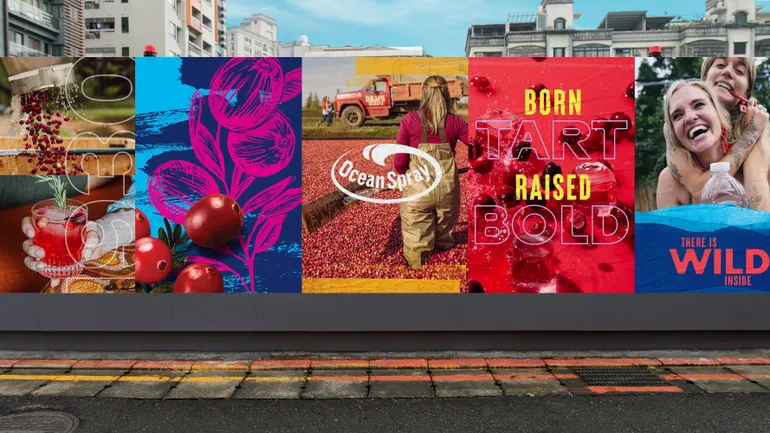
For the third consecutive year, marketers are favoring brand refresh, renewal, and repositioning over pursuing sensational creative ads. This strategy is widely adopted by fast-moving consumer goods giants such as Kraft Heinz, Unilever, and Pepsi, as well as digital-native brands, driven by the failure of performance marketing, dramatic changes in consumer behavior, and the urgent need for brand equity building.

In the first half of 2024, the marketing industry faced budget cuts, automation pressure, and signal loss concerns. The average CMO tenure shortened, the proportion of women increased, and marketing budgets as a percentage of revenue fell to 7.7%. Media investment share grew but total spending remained flat, while digital channel spending rose. Gen Z has low trust in financial systems, and social commerce is on the rise. FAST share grew, and AI investment returns are beginning to emerge. Data privacy regulations impact personalization capabilities.

Calvin Klein's 2024 spring underwear campaign, starring Jeremy Allen White, quickly went viral on social media upon release, generating an estimated $74 million in media exposure value according to PVH. The ad not only drove sales growth but is also seen as a key step in enhancing brand appeal and consumer loyalty under the PVH+ plan. Industry experts note that the campaign's success lies in precise timing and authentic presentation, but converting media buzz into long-term revenue remains a challenge.

As climate issues grow in importance among consumers, brands are collectively falling silent. From the Volkswagen emissions scandal to lawsuits involving H&M and Allbirds, the fear of 'greenwashing' is prompting marketers to reassess their sustainability communication strategies. The latest report from South Pole reveals that this 'green silence' trend has, for the first time, spread across all major industries.

Against the backdrop of digital ad spending projected to grow about 10% in 2024 and 2025, traditional media groups are accelerating collaborations with retail media. NBCUniversal has expanded its partnership with Instacart, Disney has announced a new partnership with Walmart Connect, and Amazon has launched interactive ad formats and is preparing for its first upfronts. These initiatives aim to merge CTV's brand-building power with retail media's data-driven capabilities.

The 2024 NewFronts conference opened amid dialectical reflection, as the digital advertising industry faces multiple challenges from cookie deprecation, regulatory pressure, and AI transformation. Industry leaders called for vigilance, while video advertising spending is projected to grow 16% to $63 billion, surpassing linear TV market share for the first time.

Ahead of the TV advertising upfronts, the television measurement industry is accelerating its transformation. The certification mechanism driven by the Joint Industry Committee (JIC) has begun to yield results, with Comscore and VideoAmp approved as tradable national currencies. Based on executive discussions at the CIMM Summit on April 3, this article analyzes the perspectives and strategies of four major measurement companies (Comscore, VideoAmp, Nielsen, and iSpot) regarding innovation, methodological integration, and market consolidation.