

Latest news
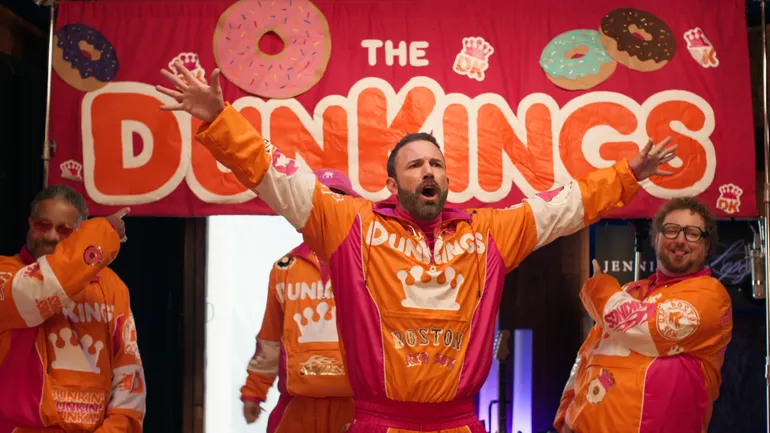
Super Bowl LVIII ads were generally underwhelming, with overused celebrity strategies; only a few brands like CeraVe and State Farm earned praise through clever creativity.
Apple has confirmed it will support the RCS (Rich Communication Services) standard in iOS through a software update in 2024, a move that will improve SMS interoperability between iPhones and Android phones. For marketers, RCS offers richer media, interactive buttons, and verified sender features, which are expected to boost user engagement. Juniper Research predicts that global active RCS users will reach 2.1 billion by 2025, with operator revenue growing from $1.3 billion in 2023 to $8 billion. Although SMS still dominates, the adoption of RCS could drive an upgrade in marketing channels.
Google has begun phasing out third-party cookies, with a full deprecation planned for the second half of 2024. While the advertising industry explores various alternatives, generative AI is highly anticipated to compensate for missing signals by analyzing first-party data. However, the industry still faces challenges such as fragmented identity resolution and debates over the effectiveness of the Privacy Sandbox.

Against the backdrop of digital video consumption reaching historic highs, the creator economy is shifting from a supplementary strategy for advertisers to a core cornerstone. Reports from IAB and TalkShoppe show that 44% of marketers plan to increase creator investment in 2024, with an average increase of 25%; Goldman Sachs predicts the market size will grow from $250 billion to $480 billion by 2027. Based on insights from multiple industry executives, this article analyzes key trends in creator marketing for 2024: the failure of follower count as a success metric, the rise of mid-tier creators, the revival of long-form video content, the potential of social commerce, the application of generative AI, and the deepening of brand-creator collaboration models.

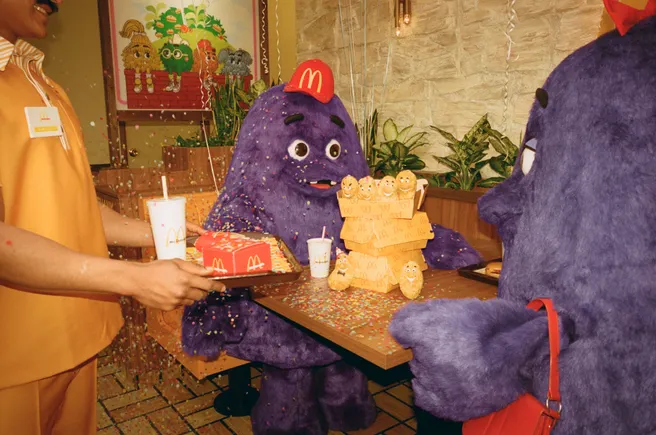
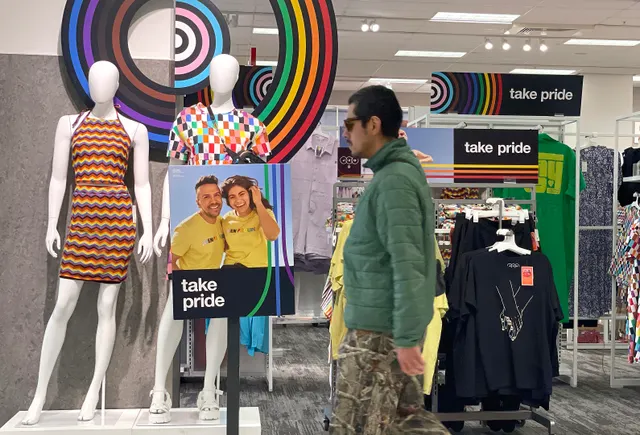
In 2023, marketing strategies centered on 'mission' encountered an unprecedented wave of brand backlash, from declining Bud Light sales to Unilever's strategic pivot, reflecting a structural contradiction between the industry's excessive pursuit of short-term performance and insufficient long-term investment in brand building. Drawing on insights from multiple industry experts and the latest data, this article analyzes the deep-seated reasons behind brand failures and explores how brands can recalibrate their positioning amid political polarization and the impact of AI.

As the holiday season approaches, Deloitte's 2023 holiday retail survey shows that consumer spending per capita is expected to reach $1,652, a 14% year-over-year increase, surpassing pre-pandemic levels for the first time. However, factors such as persistent inflation, declining savings rates, and the resumption of student loan repayments keep marketers cautious despite optimistic expectations. Brands need to balance value propositions, emotional appeals, and digital experiences to address consumers' ongoing focus on affordability.