


Latest news

New research from Gale agency indicates that with the proliferation of AI tools like ChatGPT and Gemini, consumers are delegating brand preference settings to chatbots and even entrusting AI agents with shopping. 56% of respondents have accepted fully communicating with brands through AI, and nearly one-third have instructed AI assistants to prioritize specific brands. The report warns that brand loyalty faces the impact of 'AI disintermediation,' and marketers need to strengthen community insights, optimize experiences, and continuously invest in loyalty programs.

Chipotle Mexican Grill announced the launch of its "53 Years. 53 Real Ingredients" campaign, centered around the NBA Finals game on June 5 between the New York Knicks and the San Antonio Spurs, linking the brand's 53 real ingredients to the two teams' 1973 milestone. The campaign includes airing ads starring Knicks players Josh Hart and Mikal Bridges, giving away 53,000 free burritos via the X platform, and offering limited-time customized menu items for the two players.
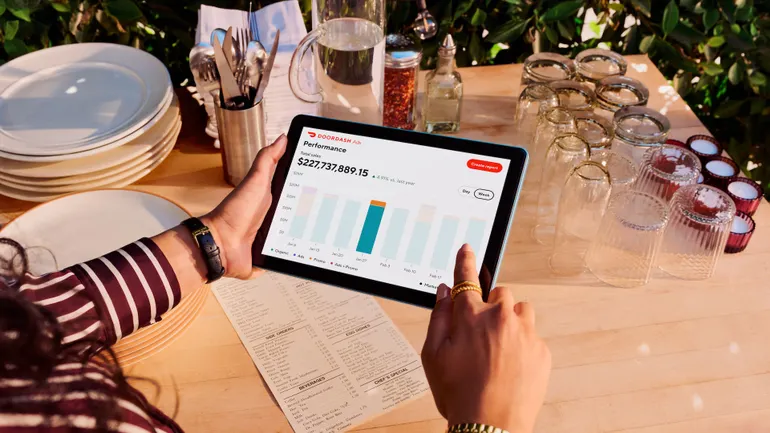
DoorDash is expanding its commerce media business by partnering with LiveRamp to enhance data collaboration and launching advanced ad formats such as Spotlight to improve ad targeting and effectiveness. Tests showed that Spotlight ads had a click-through rate twice that of banner ads and helped advertisers reach a large number of new customers.
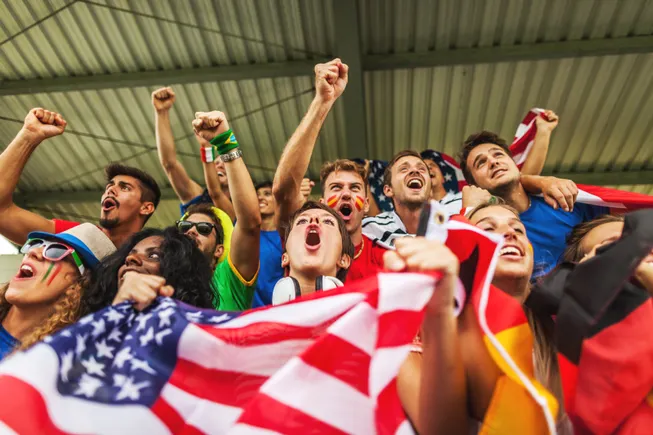
The 2026 FIFA World Cup is seen as one of the biggest brand marketing opportunities in recent years, but it will also test a more fundamental question: whether marketers can still win attention at scale and prove the value of sponsorship. Gartner predicts that by 2028, 90% of CMOs investing in sports sponsorships will struggle to demonstrate return on investment due to undefined success criteria. This article points out that sponsorship strategies should not be driven solely by exposure metrics but should be planned and measured around three distinct goals: visibility, connection, and trust.

Gallup polls show that Americans' sense of national pride has fallen to historic lows, and brands face the challenge of political polarization when celebrating America's 250th anniversary. Brands like Jeep, Coca-Cola, and Kraft Heinz attempt to balance patriotism and inclusivity through official partnerships or creative campaigns. Experts suggest that brands should focus on values such as community and integrity, rather than simply waving the flag.

Indeed has launched the 'Jobs Need People' integrated marketing campaign, conveying the message that 'jobs also need people' through channels such as television, streaming, and social media, and amplifying its reach through major events like the FIFA World Cup. The campaign comes against a backdrop of increased 'ghosting' by employers, longer unemployment cycles, and deep AI involvement in the recruitment process.
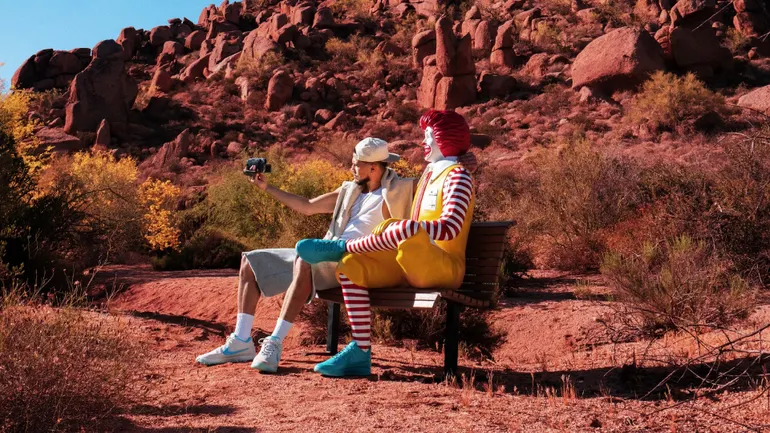
McDonald's unveiled a new strategic plan on Monday, aiming to boost growth and productivity. Facing intensifying competition and economic pressures, the company plans to deepen cultural connections with consumers through menu innovation, restaurant reinvention, and marketing evolution. Social marketing and fan co-creation have become key strategies.
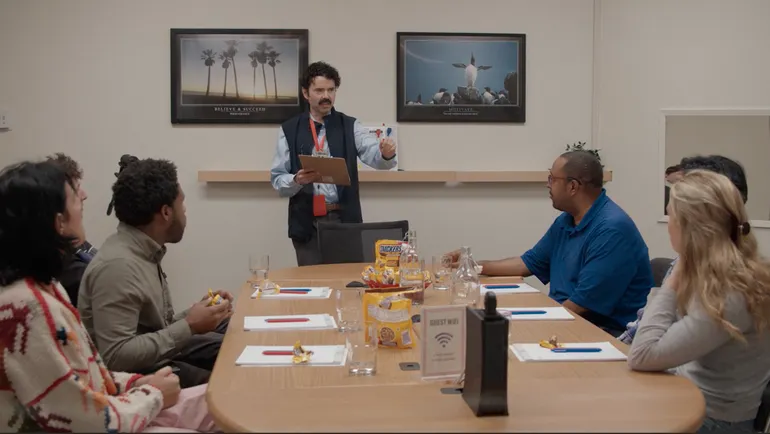
Snickers challenges the leader in the peanut butter chocolate market with an ingenious marketing campaign: inviting a group of consumers named 'Reese' to participate in focus group tests, and launching an online pledge campaign. This move not only strengthens the market promotion of its new peanut butter product but also cleverly responds to recent product formula controversies of an industry rival.
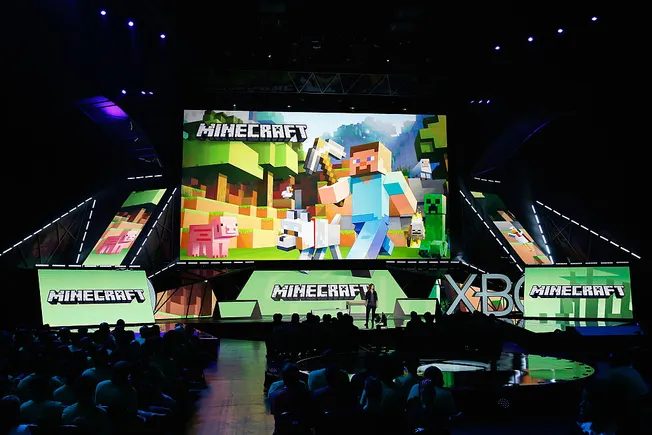
Minecraft officially launched its first creator affiliate program, utilizing impact.com technology to offer creators commissions starting at 5% for in-game purchases facilitated through exclusive links. The program targets content creators and Marketplace partners, marking a further step in the game's content marketing strategy.

As brands shift more budgets to social and creator marketing, research by NBCUniversal with WPP's Gain Theory shows that premium video remains irreplaceable in the media mix. Simulations show that cutting premium video budgets leads to a 29% decline in incremental revenue, while advertisers who continue to invest can see a 54% increase in mid-funnel engagement.