


Latest news
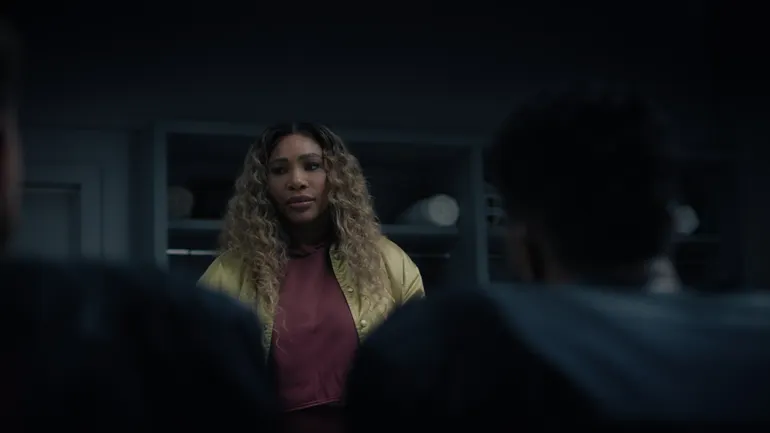
After Anheuser-Busch InBev gave up its 33-year exclusive advertising rights, Super Bowl LVII became a new battleground for alcohol brands. Despite the high cost of up to $7 million for a 30-second ad, newcomers such as Crown Royal, Rémy Martin, and Molson Coors did not fully win over audiences. This article analyzes the successes and failures of each brand's advertising strategy and explores the impact of this change on the industry's future.
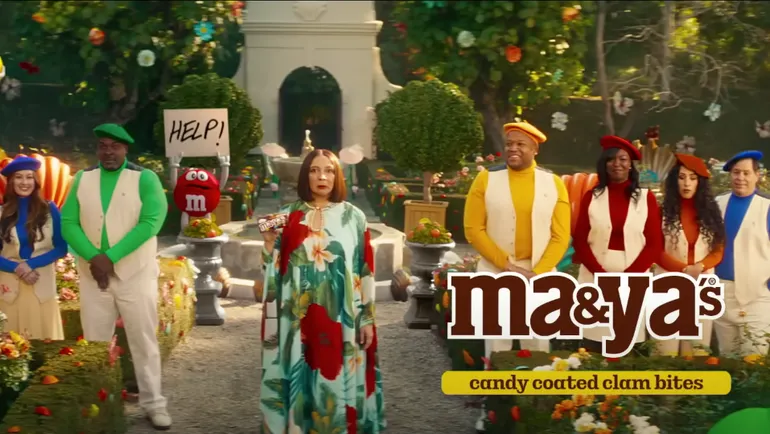
Super Bowl LVII ads were criticized as safe, perfunctory, and dull, with celebrity endorsement fatigue apparent, while emotion-driven and utility-oriented ads stood out.
In early 2023, the TV advertising measurement landscape underwent major changes: the four major TV networks formed a joint industry committee, and Nielsen launched its cross-platform measurement product One Ads. The industry is transitioning from a single currency to multiple currencies, but Nielsen's position will be difficult to shake in the short term.
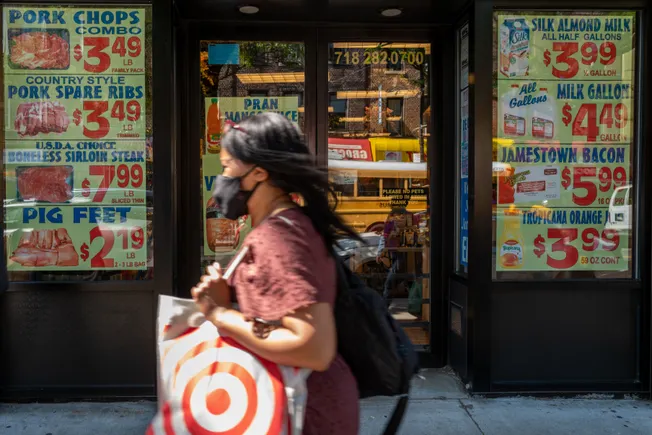
2023 will test the long-term viability of the marketing industry's transformation initiatives. This article outlines nine major trends: cautious consumer attitudes, retail media integration, pragmatic approaches to the metaverse, cookie alternatives, and more, citing insights from multiple industry executives.
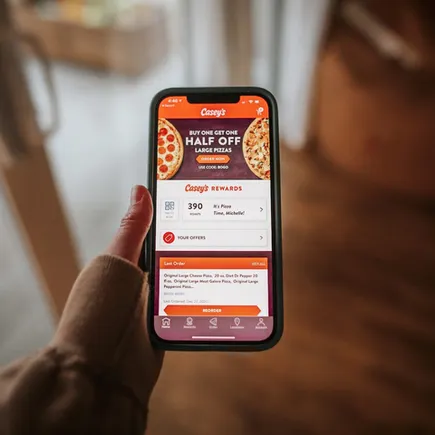
As the digital advertising landscape evolves, the convenience store industry is accelerating its embrace of retail media networks. Giants like Casey's and 7-Eleven have taken the lead, but experts caution that while this field holds great potential, it also tests operators' strategic patience and resource investment.

With the decline of third-party cookies and the growth of online shopping, retail media networks have become a key channel for brands to reach consumers. In October 2022, 7-Eleven launched Gulp Media Network, the first such network in the convenience store industry. Based on interviews with 7-Eleven executives and analysis by industry experts, this article outlines its construction process, personalization strategies, three key elements (reach, data, trust), and challenges such as connecting online and offline, while also exploring the unique advantages of the convenience store industry.

In the 2022 holiday season, consumers shifted toward experiential spending under inflationary pressure, giving fewer gifts but spending more on experiences. Brands need to respond with emotional resonance and multicultural strategies.

Retail media advertising spending continues to climb, expected to account for 11% of the global share this year, with revenue reaching $101 billion. But the rapid expansion of the industry is accompanied by growing pains: a lack of standardization, data opacity, internal silos, and the concentration of power among retailers make brands feel compelled to invest yet struggle to see returns, with a looming crisis of trust.
The creator economy is shifting from mere endorsement partnerships to brand creation, with top creators like the D'Amelio family leveraging their massive fan bases to enter the business arena, forcing marketers to rethink influencer marketing strategies. This article analyzes the evolution of influencer marketing, platform competition, the rise of micro-influencers, and the limitations of virtual influencers.