
Latest news
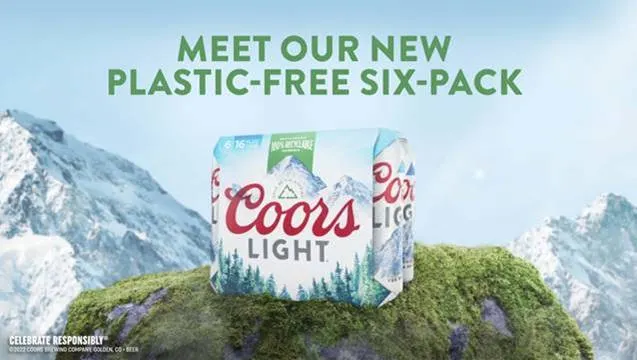
As climate change becomes an increasingly important issue for consumers, sustainable marketing has shifted from a bonus to a necessity. Corona and Coors Light—one positioned as premium and originating from Mexico, the other主打 affordable and locally brewed—have both launched sustainable marketing plans that align with their brand DNA. The former focuses on a "net-zero plastic footprint" and beach cleanups, while the latter has upgraded its "Born to Chill" campaign, using localized actions like "cooling billboards" to reach younger consumers. Drawing on insights from multiple executives and industry experts, this article explores how eco-marketing can avoid the suspicion of "greenwashing" and genuinely translate into commercial value.

Inflation is the top concern for parents for the 2022 back-to-school season, but market signals are mixed. Deloitte predicts spending will reach 34.4 billion USD, 24% higher than pre-pandemic levels; average spending per parent is 661 USD, up 8% year-over-year. However, 50% of parents plan to splurge (compared to 93% last year), and 33% say household income has worsened. Brands like Amazon and Target are promoting with discounts, while Gap, L.L.Bean, and others focus on emotional and durability value. Online spending is expected to decline for the first time, physical stores are making a comeback, but digital tools remain favored.

In 2022, the NFL faced a series of sponsor changes: Pizza Hut exited, Anheuser-Busch InBev gave up exclusive alcohol advertising rights for the Super Bowl, and Pepsi stopped sponsoring the halftime show. Although Super Bowl viewership rebounded, the loss of younger audiences, audience fragmentation, and the impact of digital media prompted brands to reassess the value of their partnerships. The league is also seeking new growth points through streaming and sports betting.

Whiskey has a long history, but the market is undergoing transformation. By 2025, the market is expected to grow by over 37%, reaching $109 billion. Millennials and female consumers are becoming the growth engine, and traditional brands such as William Grant, Diageo, and Pernod Ricard are attracting new audiences through educational content, celebrity partnerships, and ready-to-drink products.

Two years after disruptions such as surging e-commerce transactions, empty shelves, and shipping bottlenecks, advertising holding groups are seeking deeper supply chain insights to improve marketing effectiveness. WPP, Publicis Groupe, and Omnicom Group have all recently invested in logistics and product delivery data services, aiming to become more comprehensive business partners. However, experts question whether these groups possess sufficient supply chain expertise and whether clients will fully embrace these offerings due to risk concerns.
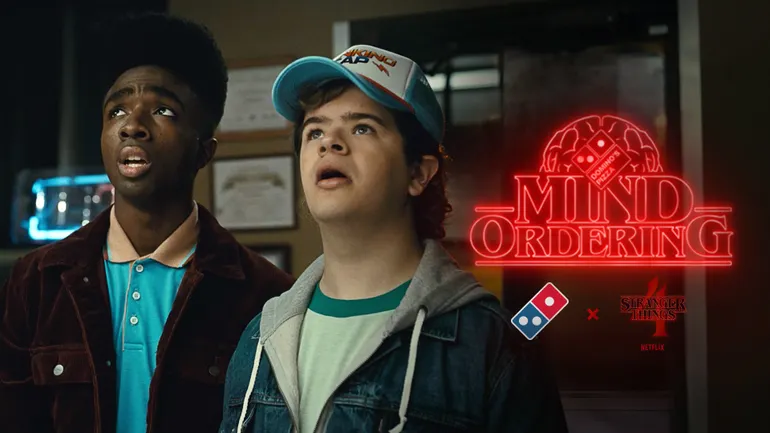
In the first half of 2022, brand marketing faced multiple pressures including the aftermath of the pandemic, economic fluctuations, and fragmented consumer attention. Nevertheless, many brands successfully broke through by cleverly integrating pop culture, innovative technological applications, inclusive narratives, and sustainable practices. This article selects seven representative marketing campaigns and analyzes their strategies and effectiveness.

In the first half of 2022, after experiencing an advertising market rebound, the marketing industry fell into a conservative state due to the Russia-Ukraine conflict, inflation, and supply chain pressures, with a notable decline in creative innovation. Brands have tended to favor performance marketing and short-term returns over long-term brand building. Industry experts point out that although this risk-averse strategy can stabilize short-term performance, it may harm brand loyalty, especially against the backdrop of a potential economic recession.

As the metaverse concept heats up, banks like JPMorgan and Quontic are setting up outposts in virtual worlds, attempting to seize a first-mover advantage. This article analyzes the differences in metaverse strategies, regulatory challenges, and industry prospects across banks of varying sizes.

Marriott pioneered the hotel industry's first media network this month, signaling that more sectors will follow. Against the backdrop of third-party cookies disappearing in 2023, companies increasingly value the monetization potential of first-party data. Retail media networks are growing rapidly, with U.S. spending projected to reach $40 billion in 2022. Yet, as more players enter, brands demand higher transparency and effectiveness, leading the industry to face consolidation and differentiation tests.